
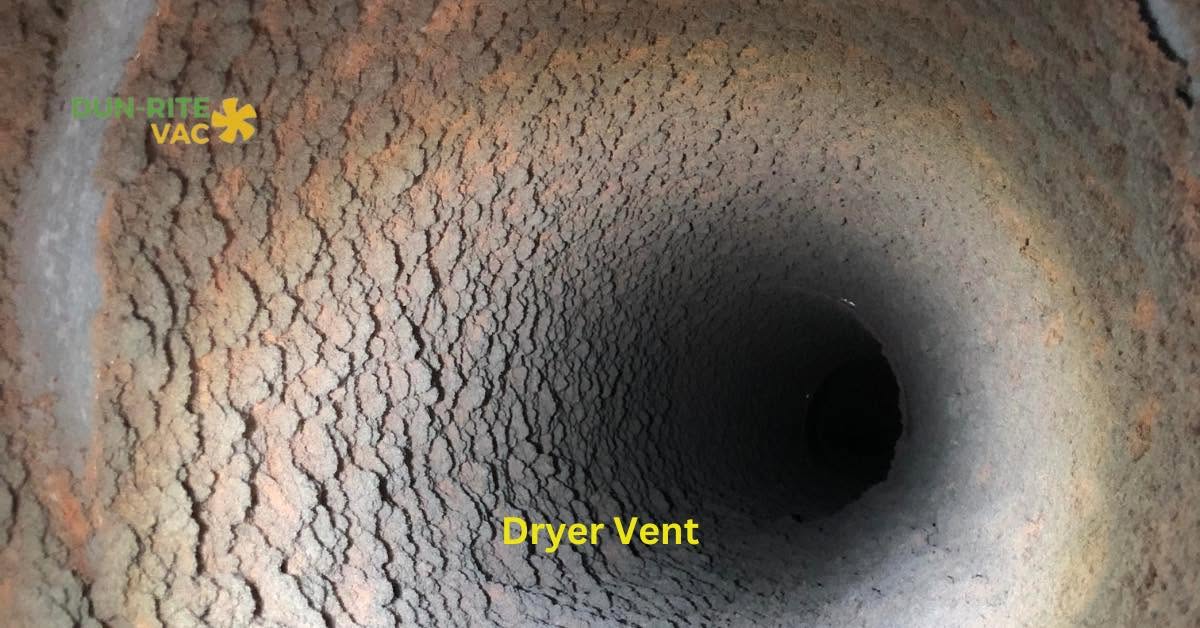
If you’ve called around for dryer vent cleaning cost quotes in Saskatoon, Yorkton, Regina, or Weyburn, you’ve probably noticed prices aren’t all the same. That’s because several factors affect the final number. Vent length, exhaust setup, and what’s built up inside the line all play a role. Here’s what affects what you’ll pay.
Quick Answer: Most residential dryer vent cleaning in our service area runs in the range of a standalone service call — typically less than full duct cleaning, since it’s a single dedicated line rather than a whole duct system. The biggest swing factors are vent length/number of bends, whether the exhaust runs through the roof or a side wall, and whether there’s bird or rodent nesting to clear out.
Why dryer vent cleaning pricing varies
There’s no single flat rate that works for every home. In fact, any company that quotes a dryer vent cleaning price over the phone without asking a few questions is probably guessing. We base pricing on the actual vent layout, including how far it travels, how many turns it makes, and where it exits the house. For example, a bungalow with a short, straight run to a side wall is a different job than a two-storey home with a long run through the attic to a roof cap.
We’ve cleaned dryer vents across Saskatchewan and Western Manitoba for more than 27 years. Our experience shows that the vent layout often affects pricing more than any other factor. Two similar homes can have very different vent runs behind the walls.
Vent length and number of bends
A straight run with one or two gentle bends is usually the easiest setup. Lint moves through the duct more predictably and clears out faster. Every additional 90-degree bend slows airflow and creates more places for lint to collect.
The Building America Solution Center recommends keeping dryer exhaust ducts as short and straight as practical. Longer vent runs usually require more cleaning time because there is simply more ductwork to cover.
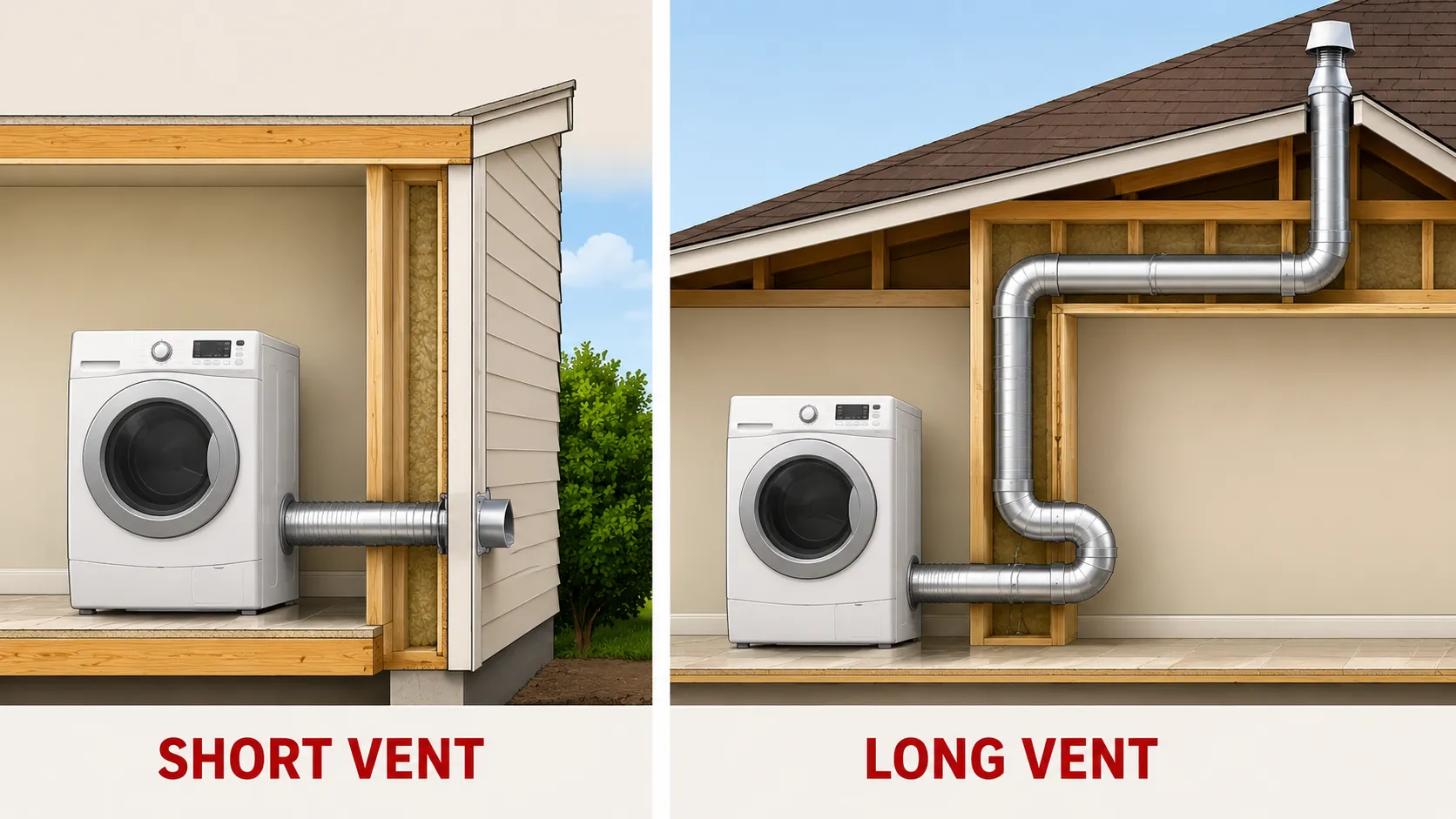
Rural homes and acreages often have different vent layouts than newer in-town houses. Older farmhouses and additions may use longer or less direct vent runs. We factor those differences into every quote.
Roof exhaust vs. side-wall exhaust
Many homeowners don’t expect animals to enter a dryer vent. Birds often nest inside roof or wall caps. Mice and other small animals may also move in during cold Prairie winters because the warm exhaust attracts them.
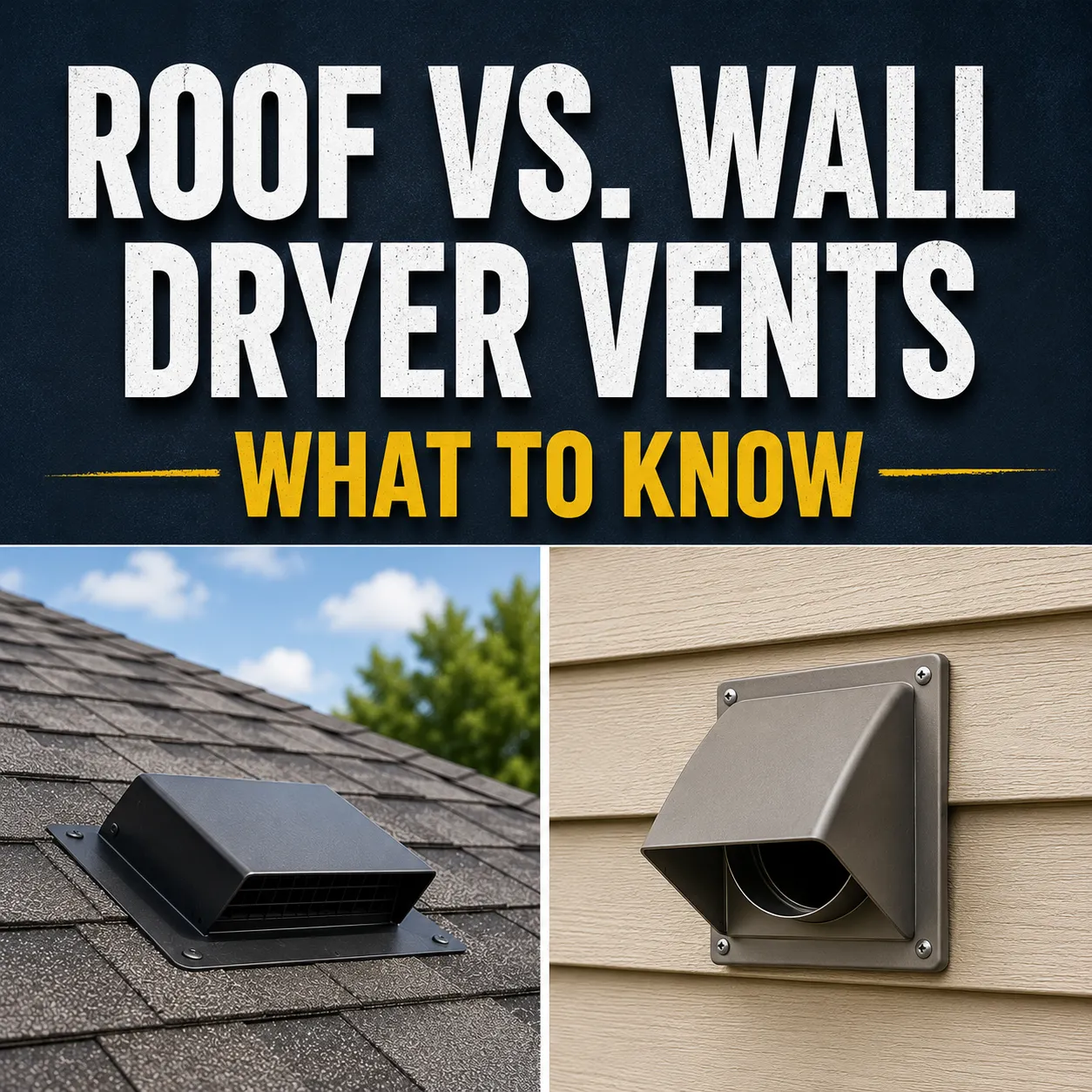
If you’re not sure which setup your home has, it’s usually a quick visual check from outside, and it’s one of the first things we confirm before quoting a job in Saskatoon, Yorkton, or anywhere else in our service area.
Bird and rodent nesting removal
This issue often surprises homeowners. Roof and wall vent caps can provide easy access for birds. In rural and acreage settings, mice and other small animals may also enter the vent, especially during cold Prairie winters when the warm exhaust is attractive. Nesting material doesn’t just reduce airflow, it can also create a fire hazard when lint and other combustible debris accumulate in the exhaust system, as highlighted by the U.S. Fire Administration.
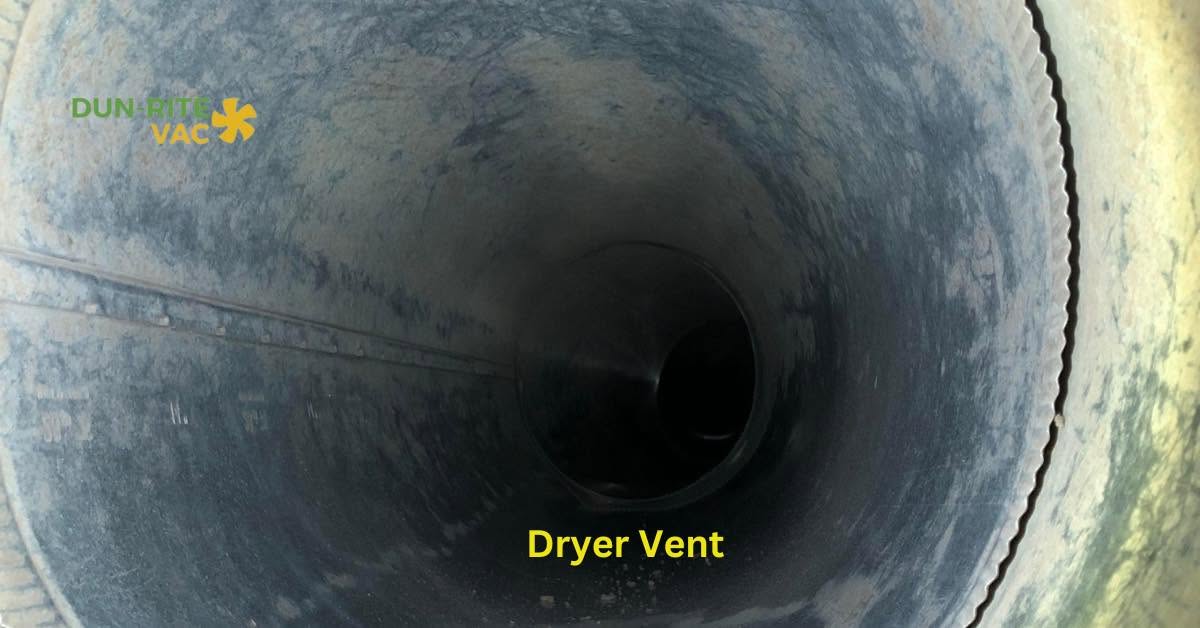
When we find nesting material, removing it safely adds time to the job and can increase the final price. These blockages often sit deep inside the vent, beyond the reach of basic DIY tools or a shop vacuum.
If your dryer suddenly takes longer to dry clothes, the vent may be restricted. Learn more in our post on signs of a clogged dryer vent.
Why this isn’t priced like full duct cleaning
We price dryer vent cleaning separately from furnace duct cleaning because the jobs differ. Furnace duct cleaning covers an entire network of supply and return ducts. Dryer vent cleaning focuses on one dedicated exhaust line. The smaller scope usually means a lower overall cost.
If your home needs both services, ask about scheduling them during the same visit. Many homeowners prefer to complete both jobs before the fall heating season.
Getting an accurate quote for your home
The best quote comes from a quick conversation about your home’s vent layout. Vent length, bends, exhaust type, and nesting all affect the final cost.
As an ASCS-certified, NADCA-certified team with more than 50,000 completed jobs, we prefer to provide accurate pricing instead of a generic estimate. You can also see what’s included on our dryer vent cleaning service page.
FAQ
What’s the average cost of dryer vent cleaning?
It depends mostly on vent length, exhaust type, and whether nesting needs to be cleared — which is why we quote each home individually rather than publishing a flat average. As a rule, it costs less than a full duct cleaning since it’s one dedicated line instead of a whole system.
Does a roof vent cost more to clean than a side-wall vent?
Usually, yes. Roof-vented systems require safe roof access and different equipment, which adds time to the job compared to a ground-level side-wall exhaust.
What if there’s a bird’s nest or rodent nest in my vent?
Nesting material adds time to clear out properly and is factored into the quote once we see it — it’s also a meaningful fire risk if left in place, since it sits close to a heat source.
How do I know if my dryer vent actually needs cleaning?
Longer dry times, a hot laundry room, or a burning smell are common indicators. We break these down in more detail in our post on signs of a clogged dryer vent.
Want a price that’s based on your actual vent setup instead of a guess? We’ll take a quick look and give you a straight answer — backed by our 100% Satisfaction Guarantee.