
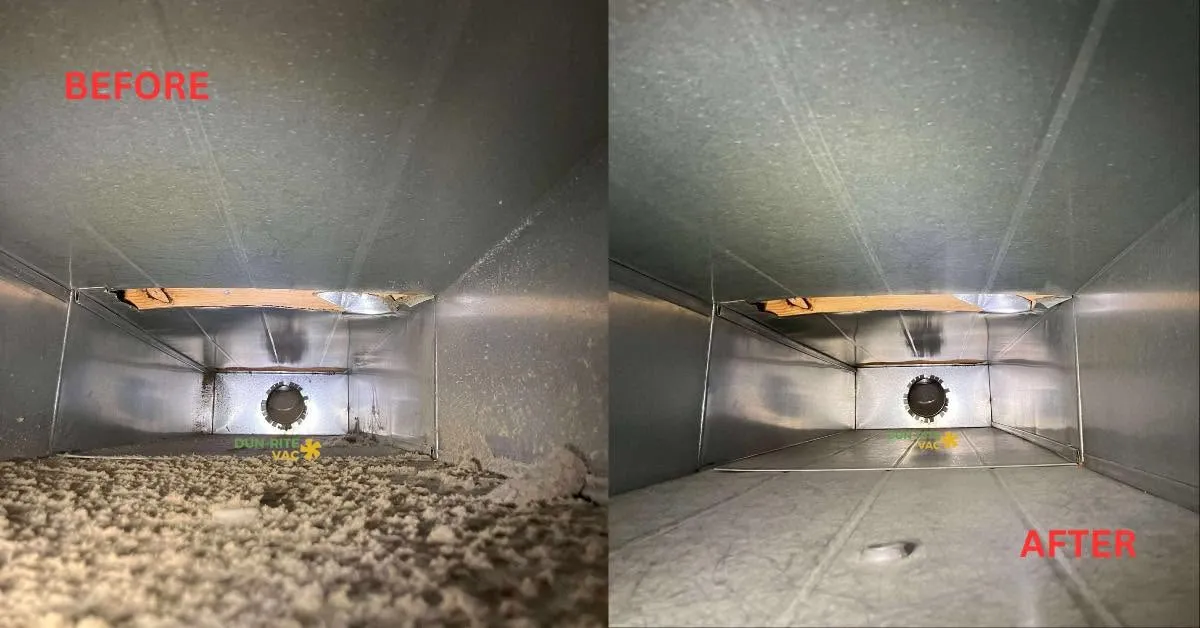
When your built-in vacuum system suddenly stops behaving, it disrupts your entire cleaning routine. Because the piping network is hidden behind your walls, troubleshooting central vacuum problems can feel like solving a mystery without seeing what’s happening inside. However, most system failures come down to a few predictable electrical or mechanical issues that you can narrow down before calling for help.
If you’ve already ruled out the obvious DIY fixes, professional Central Vac Cleaning can restore lost suction, remove hidden blockages, and help keep your built-in vacuum performing the way it should.
Quick Answer: Most central vacuum problems stem from either a localized obstruction in the pipe inlets or an electrical short in the low-voltage wiring. While homeowners can easily resolve a tripped breaker or a full collection canister, deep structural blocks and persistent electrical faults require professional diagnostic tools to clear without damaging the hidden pipe infrastructure.
Table of Contents
When a Central Vacuum Is Clogged or Losing Suction
A gradual decline in suction usually signals a maintenance bottleneck, but a sudden drop in pull across all wall valves points to a central vacuum clogged somewhere in the main line. If the issue occurs at only one specific wall inlet, the restriction resides within the immediate branch line or the hose assembly itself. Testing this is straightforward: insert your hose into a different wall inlet to isolate whether the physical hose or the house piping holds the obstruction.
One thing we regularly see in homes across Saskatchewan is drywall dust from basement renovations, pet hair, and fine household debris collecting at pipe elbows rather than making it all the way to the canister. Over time, these materials pack together and create stubborn blockages that dramatically reduce suction. Before assuming you have a hidden clog, check that the dirt canister isn’t completely full and that the filter is clean, as both conditions can choke off airflow and mimic a blocked pipe.
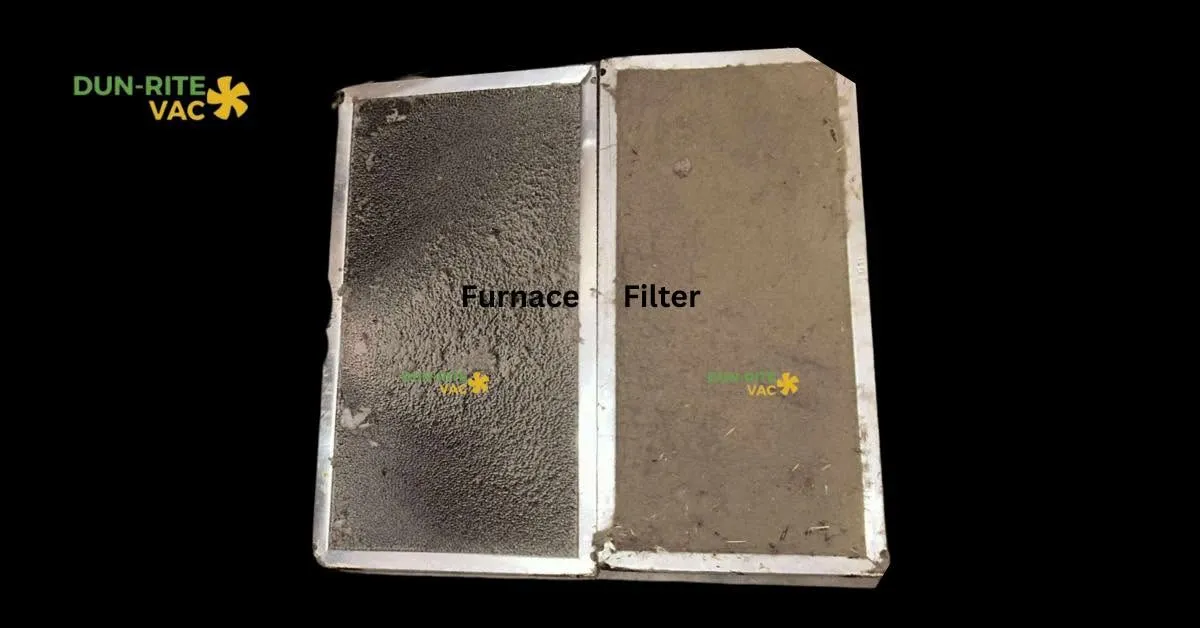
Technician’s Warning: Avoid the temptation to use a standard plumbing snake or harsh chemical drain openers to clear an internal vacuum pipe. Plumbing snakes can puncture thin-walled vacuum tubing or crack PVC elbows hidden behind walls, leading to massive, permanently unresolvable air leaks.
Experiencing Poor Suction or Hidden Pipe Blockages?
Don’t risk cracking your hidden in-wall piping with makeshift tools. Our NADCA-certified technicians have the experience and specialized equipment to locate and safely remove stubborn blockages without damaging your hidden vacuum piping.
Electrical Diagnostics: Central Vacuum Won’t Turn On
When your central vacuum won’t turn on, the problem is usually either a loss of power at the main unit or a break in the low-voltage control wiring that tells the motor to start. Your central vacuum uses normal household power to run the motor, while a separate low-voltage wire connects each wall inlet to the main unit. When you insert the hose, that wire sends a signal telling the motor to switch on, which is how most built-in central vacuum systems are designed according to the Allegro Operation & Maintenance Instructions.
A common situation our technicians run into involves homeowners assuming their motor is completely burned out when the unit sits silent. Before jumping to that costly conclusion, check these electrical baselines:
- Check the Onboard Toggle Switch: Walk down to the main power unit and look for a manual override rocker switch on the side. If flicking this switch activates the motor, your main canister is perfectly healthy, meaning the problem lies in broken low-voltage wiring or a faulty wall inlet contact.
- Inspect the Thermal Reset Button: If the motor overheats due to a prolonged clog or a full bag, the internal safety breaker will trip. Allow the motor to cool for about thirty minutes before pressing the reset button, which aligns with guidance provided in the VACUFLO Power Unit FAQ.
- Test the Low-Voltage Wall Pins: Take a simple metallic object like a coin or screwdriver and gently bridge the two small metal contact nodes inside an individual wall inlet. If the vacuum roars to life, your house wiring is fine, but your vacuum hose handle switch or internal hose wiring has failed.
The Stuck Relay: Central Vacuum Won’t Turn Off or Keeps Running
It can be alarming when you disconnect your hose and your central vacuum won’t turn off, or if the central vacuum keeps running long after you have finished cleaning. This usually means the system is still receiving a signal to run even after you’ve removed the hose. The problem may be a stuck wall inlet contact, damaged low-voltage wiring, or a failed relay inside the main unit.
To regain immediate control, you will need to head straight to the main canister unit and pull its main power plug from the wall outlet. Leaving a vacuum motor running continuously can cause permanent thermal damage or burnout within hours. Once power is cut, examine the individual wall inlets across your home. Dirt, drywall dust, or small metal fragments can get wedged between the contact pins inside the wall valves, forcing the low-voltage circuit to remain closed permanently. Cleaning these tiny contacts gently with a dry cotton swab often resolves the loop.
If the vacuum continues running the exact second you plug it back into the wall outlet—even with no hose connected anywhere in the house—the internal relay switch inside the main canister control board has likely fused shut. This requires an experienced technician to swap out the board components safely.
Why Saskatchewan Winters Accelerate Vacuum Line Restrictions
Living in Saskatchewan means dealing with extreme seasonal shifts that actively change how indoor mechanical systems perform. During our long, dry Prairie winters, the relative humidity inside local homes plummets. The dry indoor air increases static electricity inside the PVC piping as dust and debris move through the system, making fine particles more likely to cling to the pipe walls instead of reaching the collection canister. Manufacturers such as VACUFLO note that static electricity inside PVC tubing can attract fine dust particles, contributing to buildup over time.
When static charges build up continuously inside hidden wall cavities, fine dust particles don’t make it all the way down to your collection canister in the utility room or garage. Instead, the static pull forces fine lint, hair, and dust to cling to the inner walls and tight 90-degree elbows of the pipe network. Over months of regular winter use, these micro-layers of clinging dust narrow the internal diameter of your pipe run, systematically choking out your suction power.
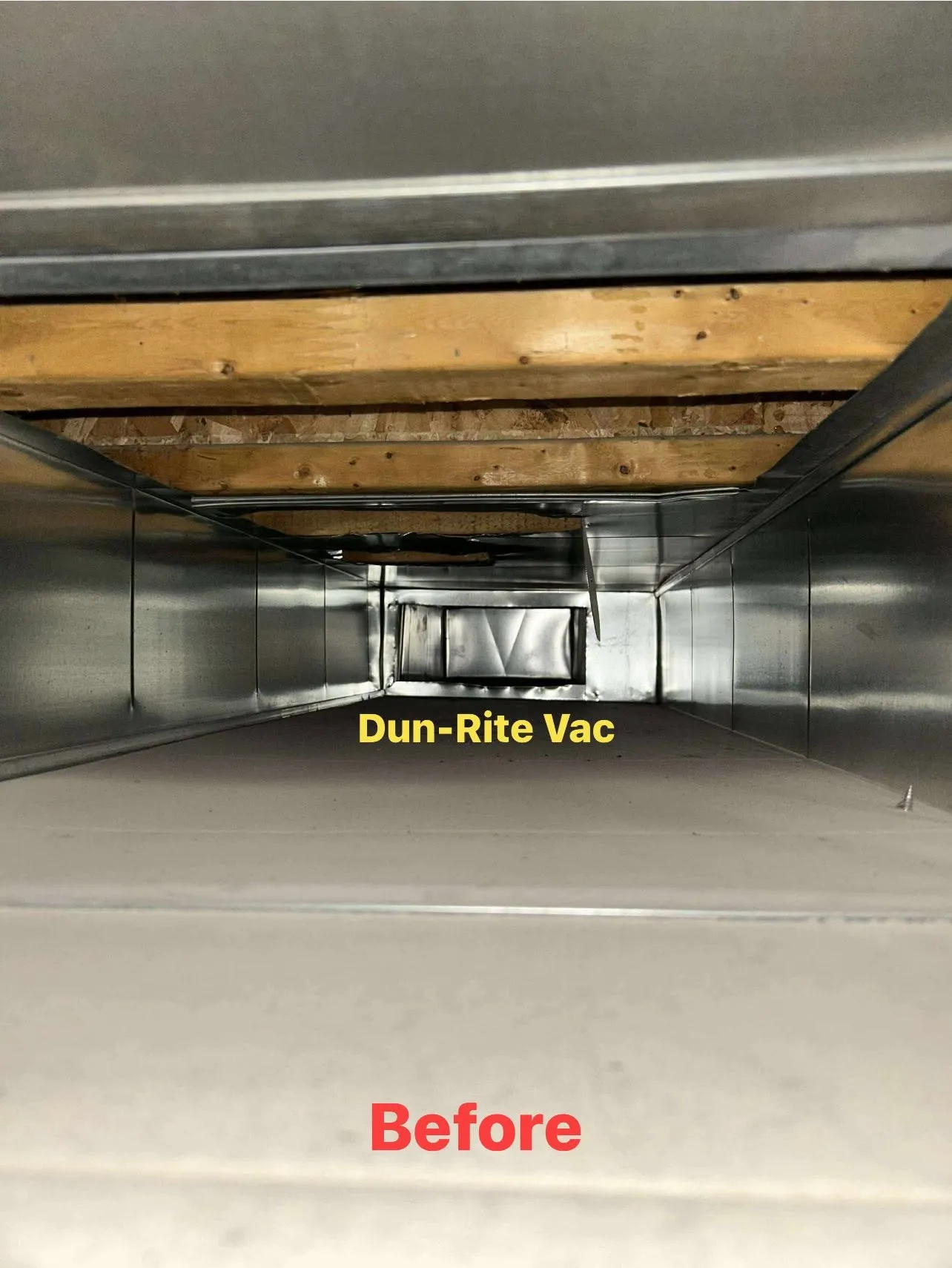
For properties running on acreage or rural setups around regions like Yorkton and Weyburn, the fine dirt tracked inside from gravel roads and farmyards adds a heavy, abrasive material load that standard residential filters struggle to contain without regular service. Having a NADCA-certified professional flush and clear your lines ensures these static-packed deposits are safely broken loose before they form a total physical block.
Frequently Asked Questions About Built-In Vacuum Troubleshooting
Can a single blocked wall inlet cause my entire central vacuum system to stop working?
No, a clog at an individual wall inlet will only isolate performance issues to that specific room or floor zone. However, if that clog consists of an object wedged right at the main branch junction where it ties into the trunk line, it can catch passing debris from other rooms, eventually choking off the entire system over time.
How can I tell if my motor is failing or if my system just has a heavy line blockage?
If your motor emits a high-pitched whistling noise, runs significantly hotter than usual, or gives off an electrical burning odor, the motor itself is struggling. If the motor sounds completely normal but there is zero pull at the hose tip, the issue is almost certainly a physical clog somewhere in the piping line.
Why does my vacuum canister keep tripping the electrical breaker in my basement?
This happens if the vacuum motor is drawing too much current, which usually occurs when a heavily clogged filter forces the motor to work twice as hard, or if the motor windings are short-circuiting. Ensure your canister filter is completely clean; if the breaker still trips instantly upon startup, the motor assembly requires professional electrical diagnosis.
Restore Your System’s Peak Suction with Dun-Rite Vac
For more than 27 years, Dun-Rite Vac has helped homeowners across Saskatchewan and Western Manitoba restore the performance of their built-in vacuum systems. Our NADCA-certified, ASCS-certified technicians have completed over 50,000 jobs and back every service with our 100% Satisfaction Guarantee.