
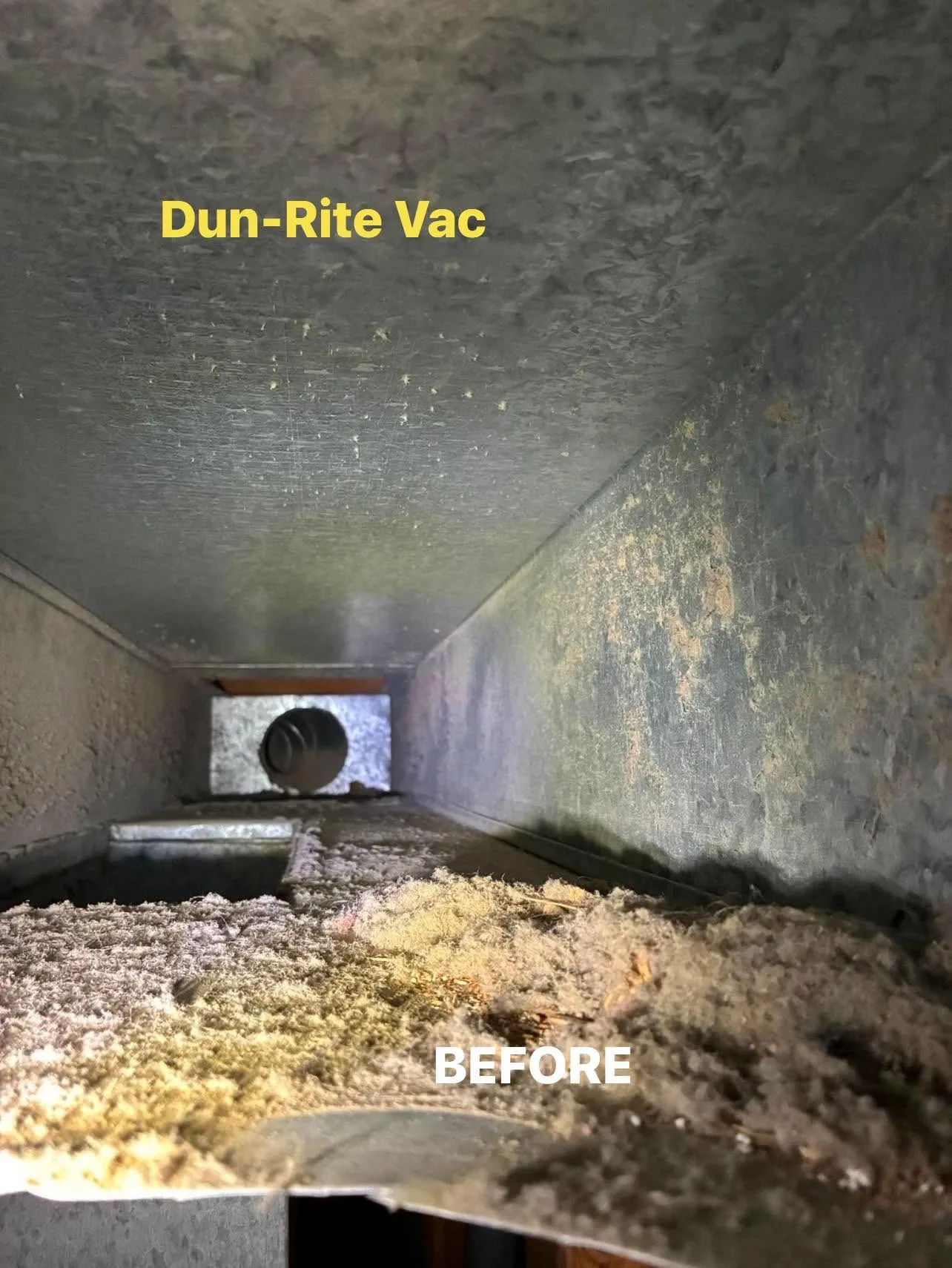
Quick Answer: Dryer vent cleaning cost depends on three main factors: vent length, vent location, and the amount of blockage inside. A short side-wall vent usually costs less to clean than a long roof-vented system. Bird nests, rodent nests, and heavy lint buildup also increase the price because they require extra time and equipment. The best way to know your cost is with a free quote.
Why Dryer Vent Cleaning Isn’t Priced Like Duct Cleaning
It’s a common mix-up: someone calls expecting a duct cleaning quote to cover the dryer vent, or vice versa. They’re separate systems entirely. Your furnace and duct system moves heated air throughout the whole house through a network of supply and return runs. Your dryer vent is a single, much shorter exhaust line whose only job is pushing hot, lint-laden air outside after every load.
Because the dryer vent job is smaller in scope — typically one line, one access point, often under 30 minutes of actual work on a straightforward setup — the average dryer vent cleaning price sits noticeably lower than a whole-home duct cleaning quote. If you’re trying to budget for both, it’s worth getting them priced separately rather than assuming one number covers both jobs.
Vent Length and Routing Drive Most of the Price Difference
The single biggest factor in dryer vent cleaning average cost is how far the vent has to travel from the dryer to the outside wall or roofline, and how many bends it takes to get there. A laundry room on an exterior wall with a vent that runs three feet and exits straight out is about as simple as the job gets.
Our technicians often find older Yorkton homes with long dryer vent runs that were routed around joists and wall cavities. Some stretch 15 to 20 feet and include several sharp bends. Every bend traps more lint. Every extra foot takes longer to clean. Longer, more complex vent runs require more equipment and more time, so they naturally cost more.
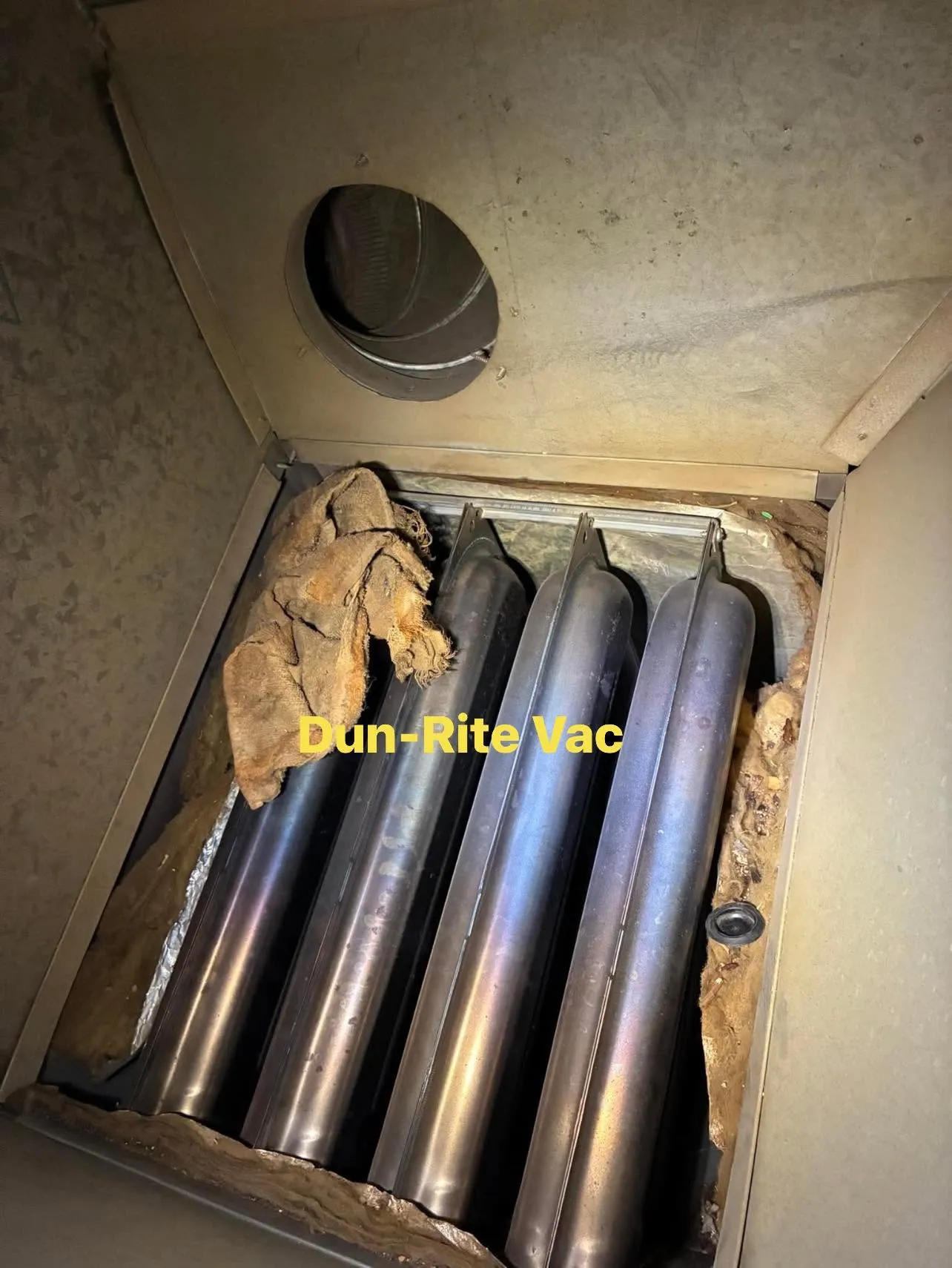
Most homes in our service area vent through a side wall. These jobs are usually straightforward. Roof-vented systems are different. Technicians must safely access the roof, remove the vent cap, and work at height. That extra work increases both the time and the cost.
We also see more problems on acreage properties west of Yorkton. Side-wall vents near tree lines often collect debris or attract birds and small animals. Even without roof access, these vents usually need extra inspection and cleaning.
When Birds or Rodents Have Moved In, the Job Changes
This is the factor that surprises people most. A dryer vent hood with a missing or broken flap is an open invitation — birds will build a nest in the warm, sheltered duct in spring, and mice or other small rodents will do the same heading into a Saskatchewan winter. Once that’s happened, this stops being a standard lint-clearing job.
Technicians must completely remove nesting material instead of pushing it farther into the vent. They also inspect the vent line and exterior cap for damage. This extra work takes more time and increases the cost. It also improves safety because blocked vents trap heat and lint.
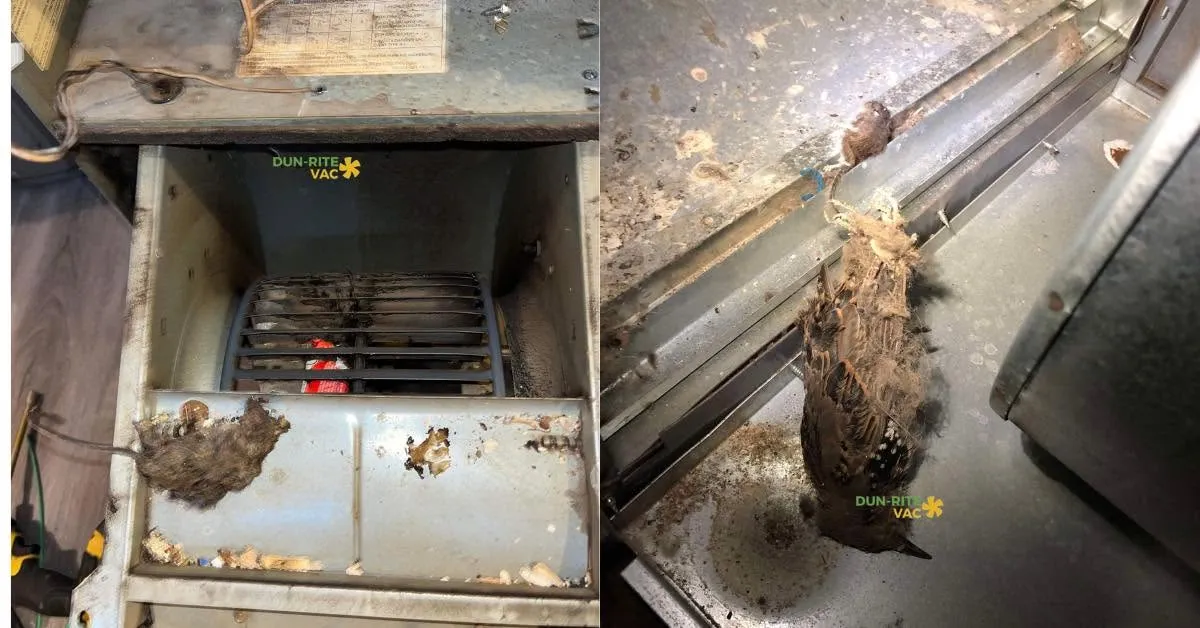
If your dryer’s been taking longer than usual to dry a load, or you’ve noticed birds hanging around an outside vent hood, it’s worth getting it looked at before it becomes a bigger problem. Reach out for a free quote and we’ll give you a straight answer on what’s going on and what it’ll take to fix it.
Why Two Quotes for the Same House Can Look So Different
Different companies often quote different levels of service. One quote may only include basic lint removal. Another may include the full vent run, the exterior hood, the damper flap, and an inspection for nests or damage. Always compare what’s included before comparing prices.
The fix is simple: ask what’s actually included before comparing price tags. A lower number that skips the exterior hood or doesn’t check for blockage isn’t really the same service, and it can leave the actual problem — restricted airflow — only partly solved.
How Often You Actually Need It Changes the Long-Term Cost
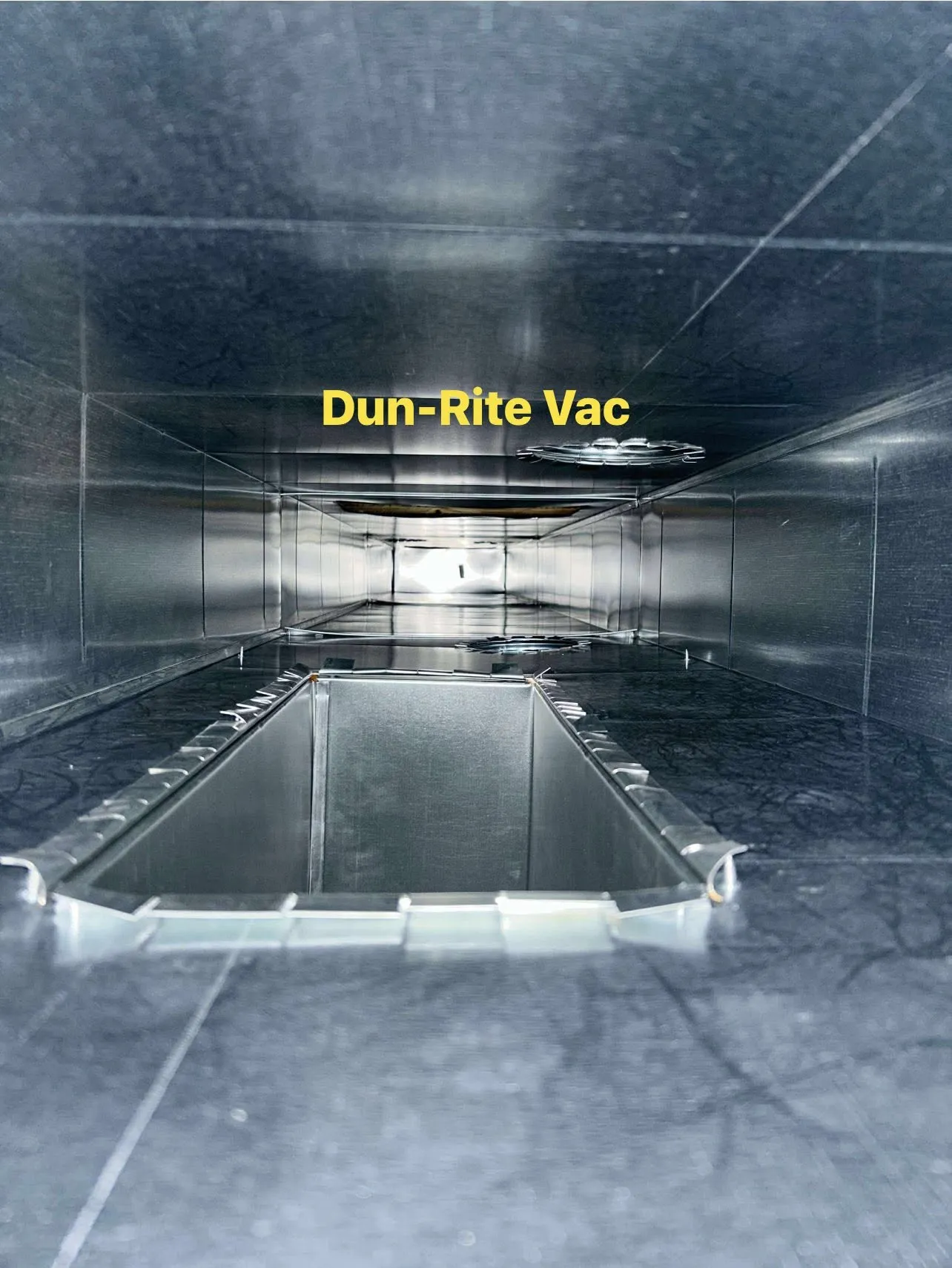
Most homes don’t need dryer vent cleaning every year. A small household with a short, straight vent can usually wait longer between cleanings. Larger families that run multiple loads every day often need service more often. The right schedule depends on your vent layout and how often you use your dryer.
Ignoring a clogged vent has its own cost. Restricted airflow makes your dryer run longer and use more energy. According to NFPA research, lint is the leading material first ignited in dryer fires. A simple inspection can confirm whether you need cleaning now or whether your vent is still in good condition.
FAQ
Does a longer dryer vent always cost more to clean than a shorter one?
Generally yes, since length and the number of bends both add time to the job, but a short vent with heavy nesting or a roof exit can still cost more than a long, clean, easy-access side-wall run. Length is one factor among several, not the only one.
Can I tell from outside whether my vent has a bird or rodent problem before booking?
Sometimes — a damaged or permanently open flap, visible nesting material at the hood, or a dryer that’s suddenly taking much longer to dry clothes are all signs worth mentioning when you call. It still usually takes an in-person look to confirm what’s actually going on inside the line.
Is roof-vented dryer exhaust common in this area, or mostly side-wall?
Side-wall exhaust is the standard across our Saskatchewan service area, including around Yorkton, Saskatoon, Regina, and Weyburn, but roof venting does show up on some older two-storey homes and certain multi-unit buildings, and it’s priced differently because of the access involved.
Will cleaning my dryer vent lower my power bill?
It can help, since a clear vent lets your dryer reach full airflow and finish a load faster instead of running extra cycles to compensate for restricted exhaust — the U.S. Department of Energy points to improved airflow as a key factor in reduced drying time. It’s not usually a dramatic bill change on its own, but it’s a real, measurable factor alongside the fire-risk reduction.
Is dryer vent cleaning actually worth paying for?
For most homes, yes — especially if the vent has never been cleaned or drying times have crept up over the past year or two. The service restores proper airflow, which means faster drying, less strain on the dryer itself, and a meaningfully lower fire risk. If your vent is short, clear, and recently cleaned, you may genuinely be fine waiting — which is exactly why we don’t push it on everyone the same way.
Every home has a different vent layout, so every quote is a little different. We’ll inspect your vent, explain exactly what the job involves, and provide an honest price before any work begins. Backed by our 100% Satisfaction Guarantee, request your free dryer vent quote today.