
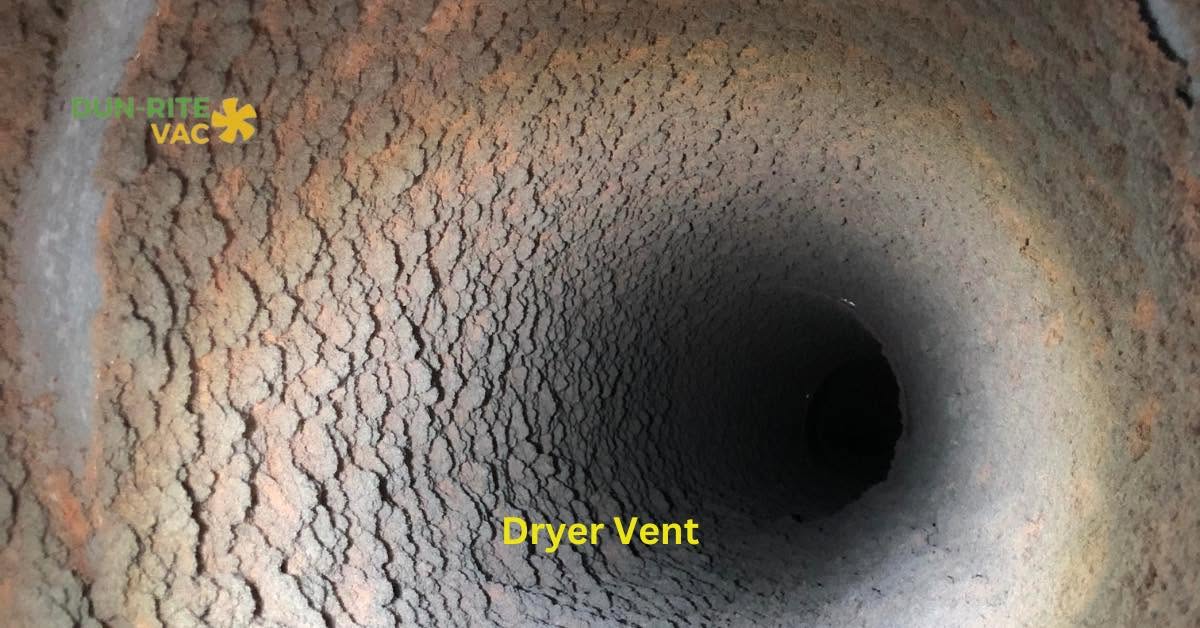
Quick Answer: If you’re wondering how to tell if a dryer vent is clogged, the clearest signs are clothes that take two or more cycles to dry, a dryer or laundry room that feels noticeably hot during use, a burning or musty smell, and visible lint buildup around the outside vent hood. Any one of these on its own is worth a look — two or more together means it’s time to get the vent cleaned.
| Symptom | Likely Cause |
|---|---|
| Clothes need two or more cycles | Restricted airflow in the vent line |
| Dryer or laundry room feels hot | Exhaust heat trapped instead of venting out |
| Burning or musty smell | Lint overheating or trapped moisture |
| Exterior vent flap barely opens | Lint blockage restricting outflow |
Your clothes take forever to dry
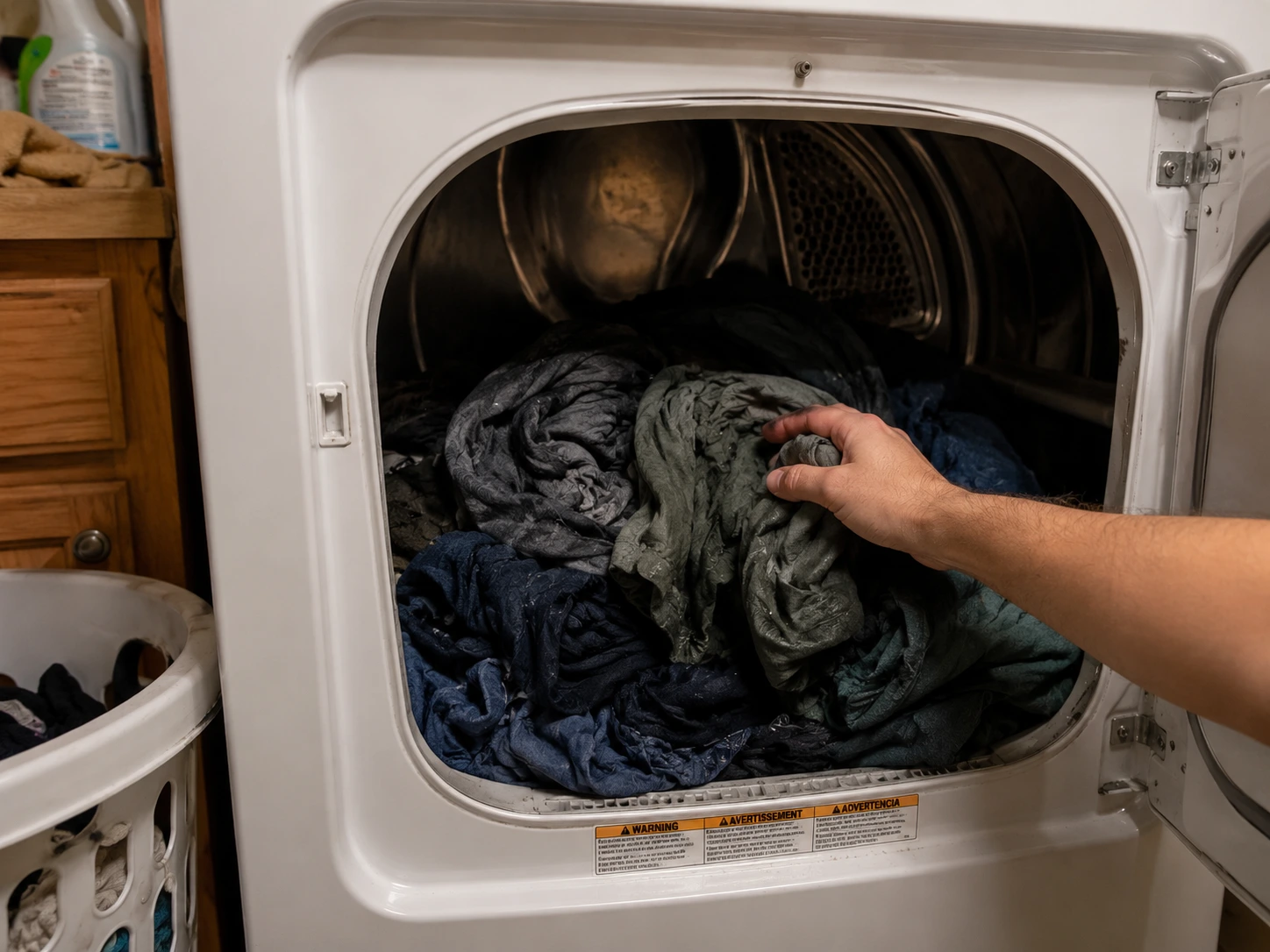
This is usually the first thing people notice. A properly vented dryer should get a regular load dry in one cycle, maybe 40-50 minutes depending on the load. If you’re routinely running a second or third cycle just to get towels or jeans dry, airflow is being restricted somewhere in the line — and lint buildup in the vent is the most common cause.
It’s an easy symptom to explain away (an older dryer, a bigger load, a busy laundry day), which is part of why clogged vents go unnoticed for so long. If it’s become the norm rather than the exception, that’s worth paying attention to.
The dryer or laundry room runs hot
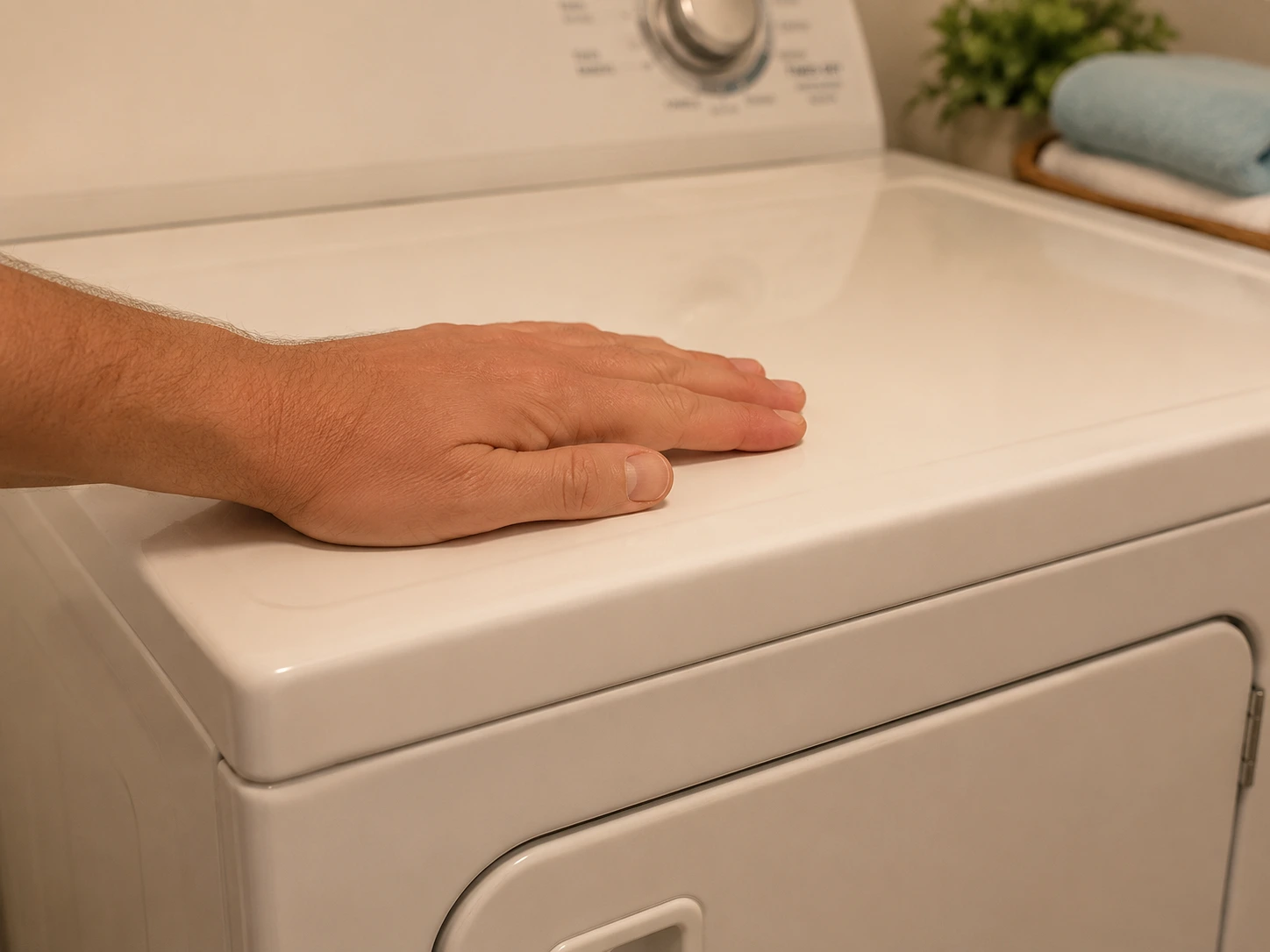
When exhaust air can’t escape properly, heat has nowhere to go but back into the dryer drum and the room around it. If your laundry room feels noticeably warmer than the rest of the house during a cycle, or the dryer itself feels hot to the touch on the outside panel, that’s heat being trapped instead of vented outside the way it’s supposed to be.
Clothes coming out hotter than usual at the end of a cycle is part of the same pattern — the heat is building up inside the system rather than venting out.
A burning or musty smell
Any burning smell during a dryer cycle should be taken seriously — it can mean lint accumulated near the heating element is starting to scorch. A musty or stale smell is a different but related issue: trapped moisture in a blocked vent line that isn’t fully exhausting, which can also encourage mold growth in the ductwork over time.
Neither smell is something to wait out. If you notice either one, it’s a good idea to stop using the dryer until the vent has been checked.
Lint buildup around the outside vent
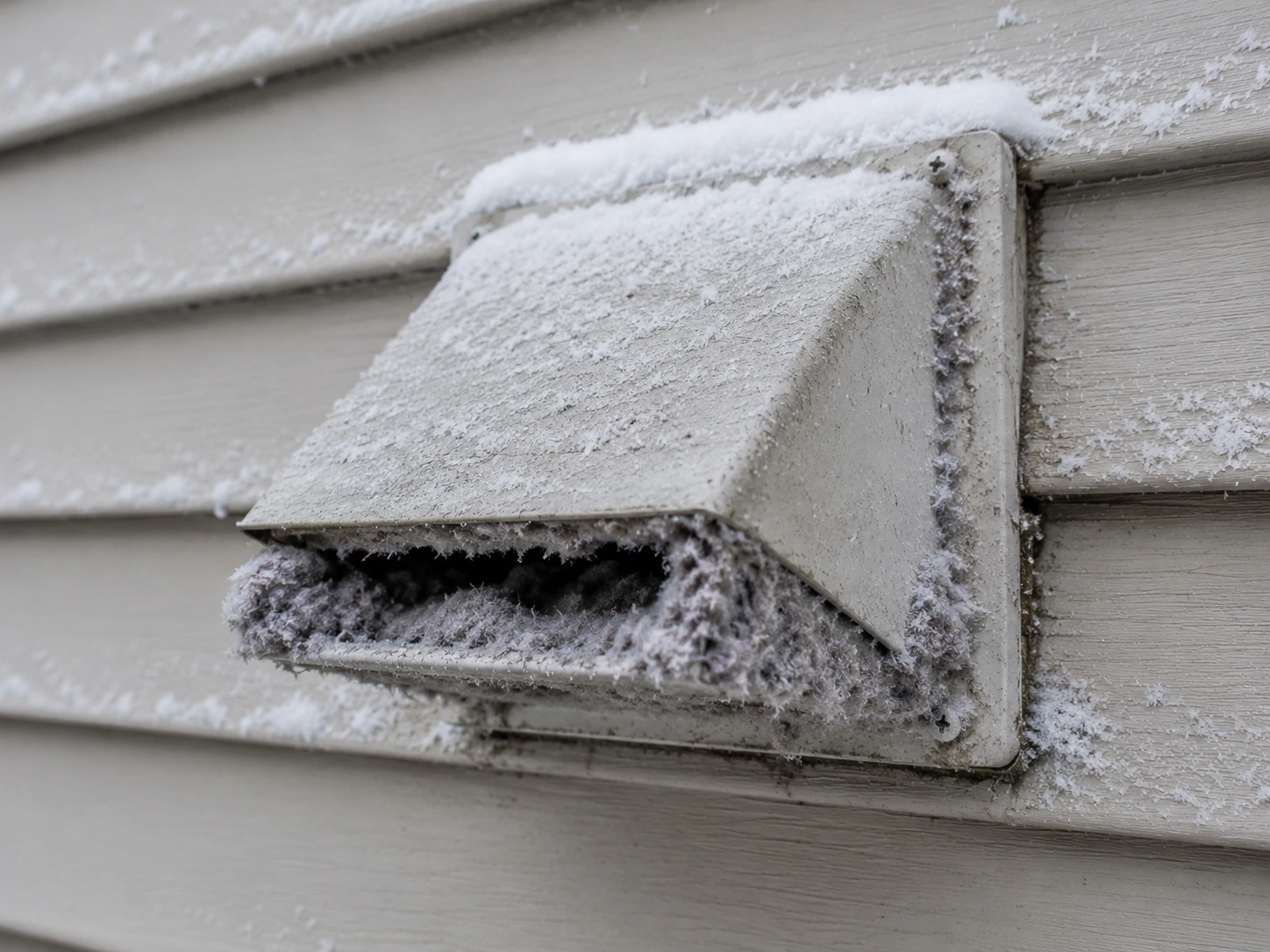
Step outside and look at the exterior vent hood while the dryer is running. The flap should open with a strong, steady flow of air. If it barely moves, or you can see lint caught in and around the hood itself, the line is restricted. In Saskatchewan winters, this has an extra wrinkle: a vent that isn’t expelling air strongly can also let cold air seep back in, and damp lint near the hood can freeze the flap shut entirely on the coldest days.
Why a clogged vent is a fire risk, not just an inconvenience
Lint is highly combustible, and a dryer vent is designed to carry hot, moist air (and the lint that escapes the trap) safely outside. When that path is restricted, heat and lint both build up in a confined space next to a heat source — which is exactly the condition that allows dryer fires to start. According to the National Fire Protection Association, failure to clean is the leading cause of home clothes dryer fires — which is why regular vent cleaning is routine home maintenance, not an optional extra.
None of this means every slow-drying load is an emergency. But UL Solutions reports that roughly a third of dryer fires are tied to lack of cleaning — so when you’re seeing two or more of the signs above together, it’s a real enough risk that it’s worth getting looked at rather than waiting it out.
Not sure if your vent actually needs service? Our technicians check airflow, vent condition, and lint buildup before recommending anything — if it doesn’t need cleaning yet, we’ll tell you that too.
How often a dryer vent actually needs cleaning
The NFPA recommends clearing lint out of the vent pipe once a year for an average household — more often if you’re noticing clothes taking longer than normal to dry. Acreage and rural properties around Yorkton, Saskatoon, Regina, and Weyburn sometimes have longer vent runs than a typical in-town house, which can mean more places for lint to collect along the way.
We’re a NADCA-certified dryer vent cleaning company, and our technicians hold ASCS (Air Systems Cleaning Specialist) certification — which matters in an industry where it’s easy for a homeowner to hire someone with a shop-vac and no real training. We’ve completed more than 50,000 jobs across Saskatchewan and Western Manitoba since 1998, and every cleaning is backed by our 100% Satisfaction Guarantee.
FAQ
Can I clean a clogged dryer vent myself?
You can clear lint from the trap and the first foot or two of accessible duct yourself, but most of the buildup that causes real airflow problems sits further down the line — around bends, at the exterior hood, or in long runs — where a household vacuum can’t reach effectively.
Does cleaning the lint trap every load prevent clogs?
It helps, but it doesn’t eliminate the issue. A portion of lint always escapes past the trap and travels down the vent line, where it gradually accumulates on duct walls, bends, and the exterior hood — areas the trap can’t catch.
Is a hot laundry room always a sign of a clogged vent?
Not always — a smaller or poorly ventilated laundry room can run warm on its own. But if the room has only recently started feeling hot during dryer use, or the dryer cabinet itself feels unusually warm, a restricted vent is a likely cause worth checking.
How long does a dryer vent cleaning take?
Most residential dryer vent cleanings are completed in under an hour, since the technician is working with one line from the dryer to the exterior hood rather than a full duct system.
Can a clogged dryer vent increase my energy bill?
Yes — a restricted vent forces the dryer to run longer and work harder to push air through, which uses more electricity or gas per load. Multiple cycles to dry one load is both a comfort issue and a cost issue.
Can a clogged dryer vent damage the dryer itself?
It can. Trapped heat and restricted airflow make the heating element and motor work harder than they’re designed to, which can shorten the dryer’s lifespan over time. Blockages also raise the risk of overheating, which is part of why the Massachusetts Department of Fire Services recommends cleaning vents from the outside twice a year to clear out accumulated dust and lint.
Get Your Vent Checked Before It Becomes a Bigger Problem
If any of these signs sound familiar, it’s worth getting your dryer vent looked at rather than waiting for things to get worse — backed by our 100% Satisfaction Guarantee, the same way we’ve handled it for Saskatchewan and Western Manitoba homeowners for almost three decades.